Why I can't promise you what the sea will look like next Friday
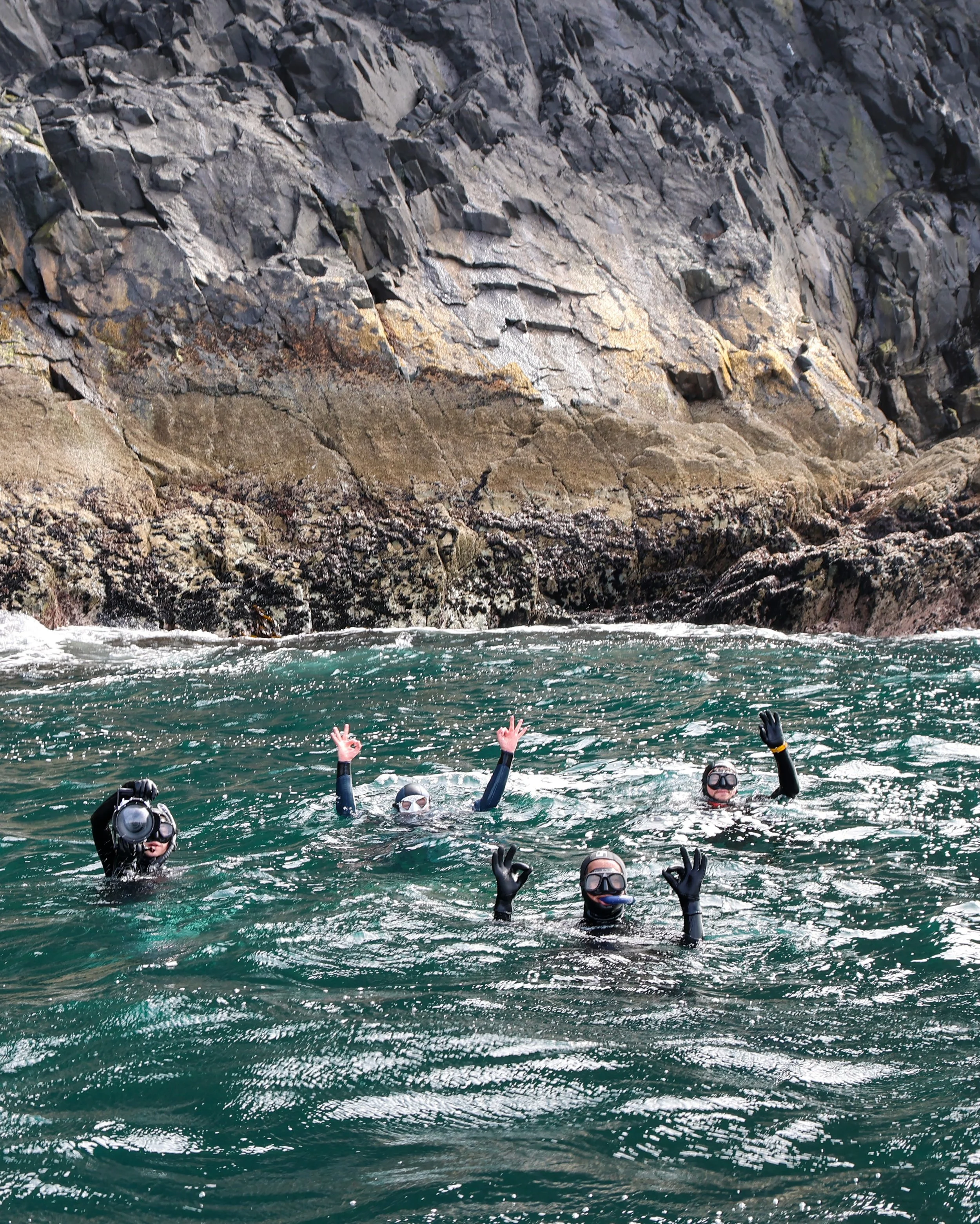
If you've ever tried to organise a snorkel or freediving trip in Ireland, you may have noticed that it's often not clear until a few days beforehand whether the conditions will be suitable. If you checked out our services HERE, you dont even find any date mentioned. Not great for a service offering, but let me share with you why!😅
The Irish Sea has the final say, and it does not believe in advance notice (apparently). So we adapt.
But why is that?
Ireland is right on the edge of the North Atlantic, which means weather systems travel thousands of miles across the open ocean before reaching us. By the time a swell or storm arrives, it’s had the whole Atlantic to build up strength. Ireland often takes the hit when it comes to storms or winds, only for it to ease off towards England and mainland Europe. (You are welcome, England & mainland)
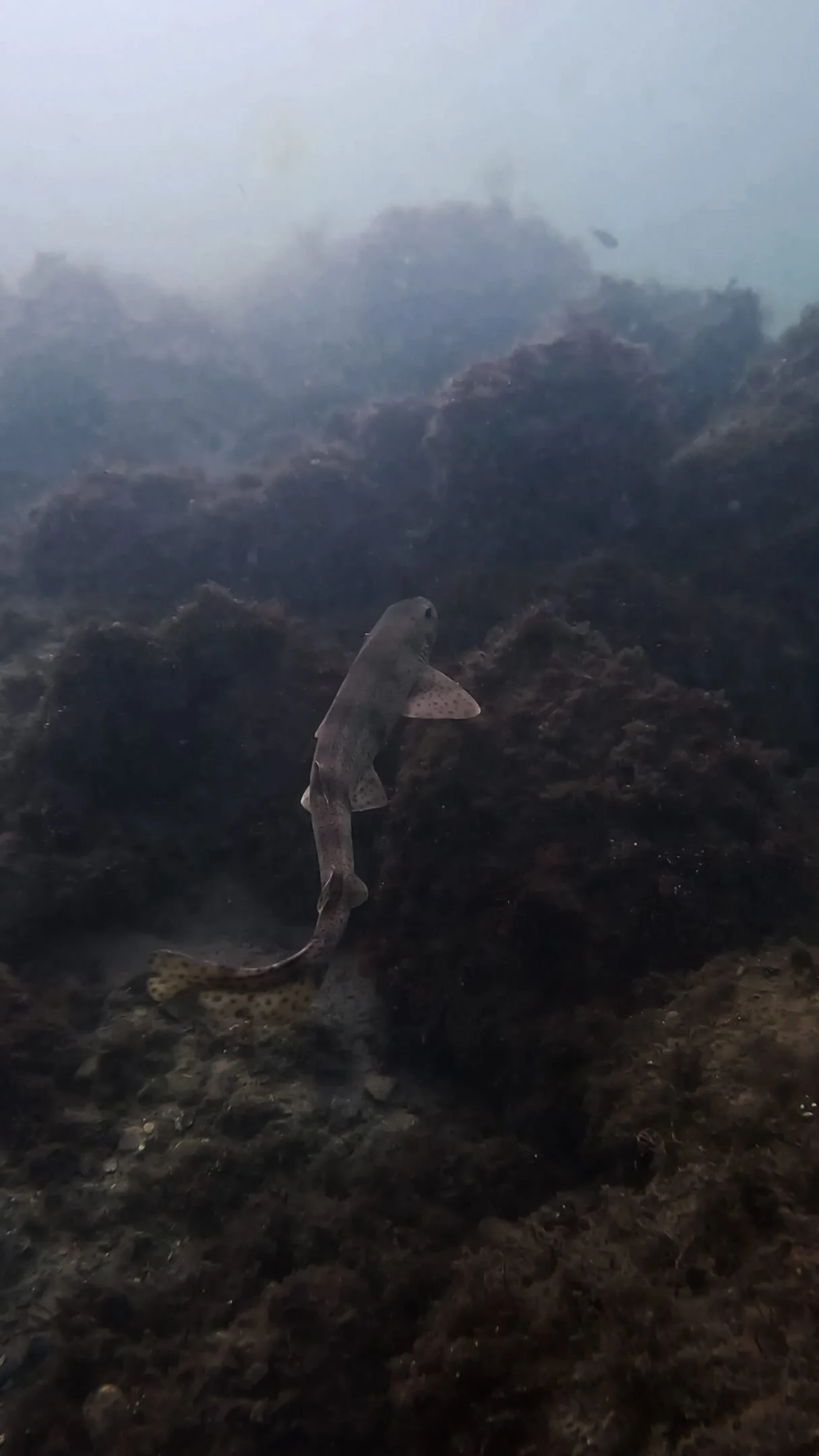
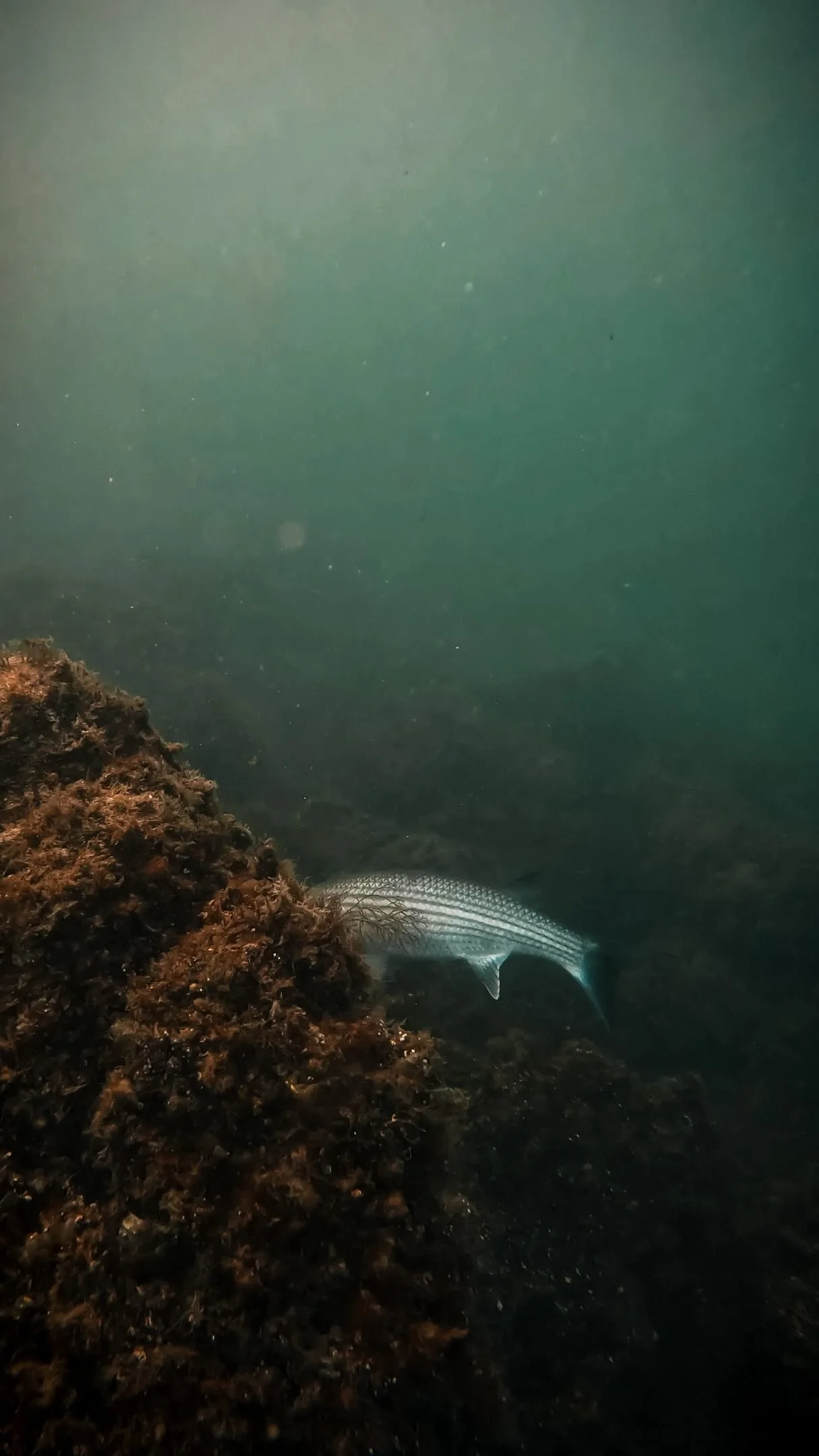
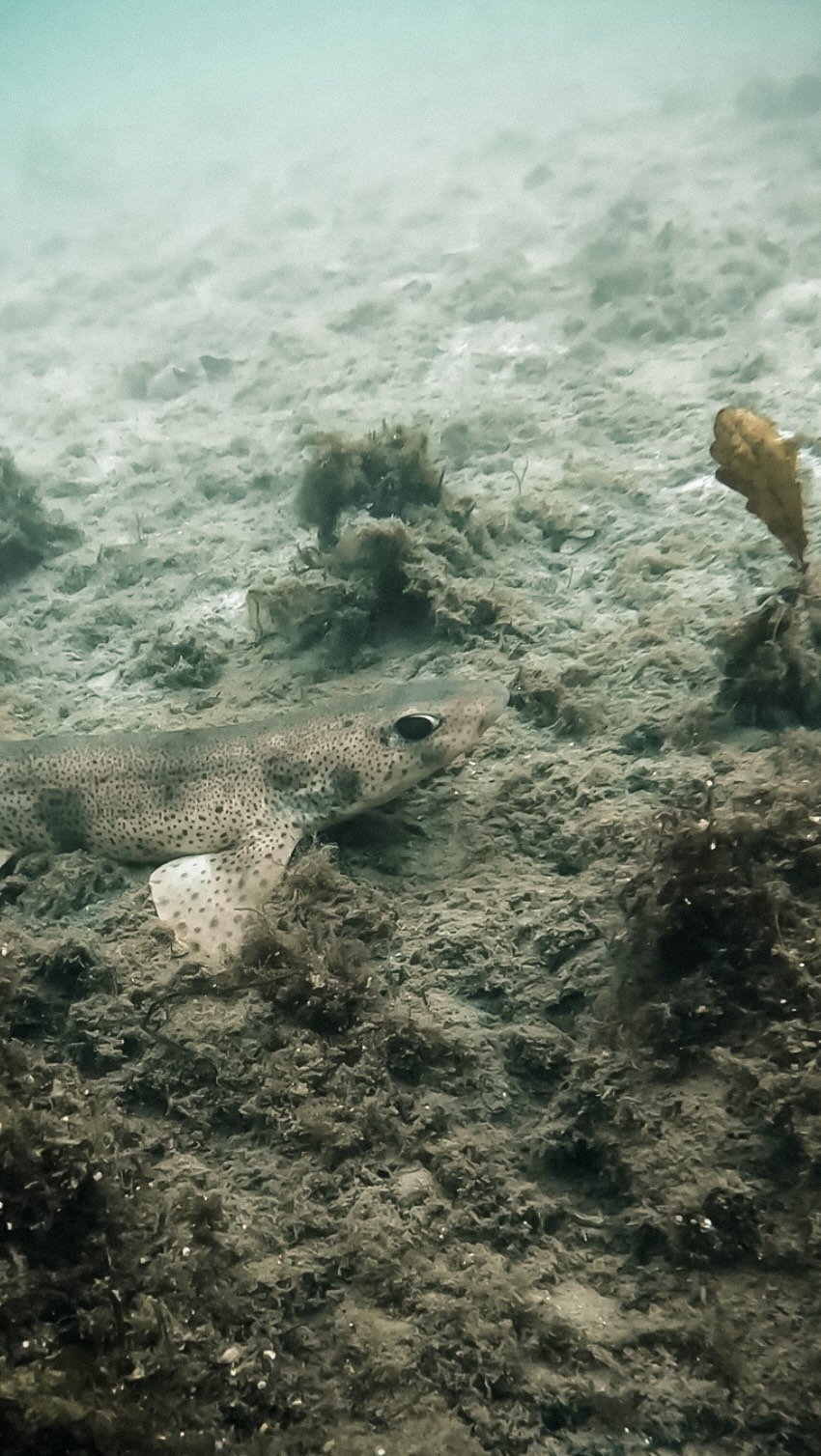
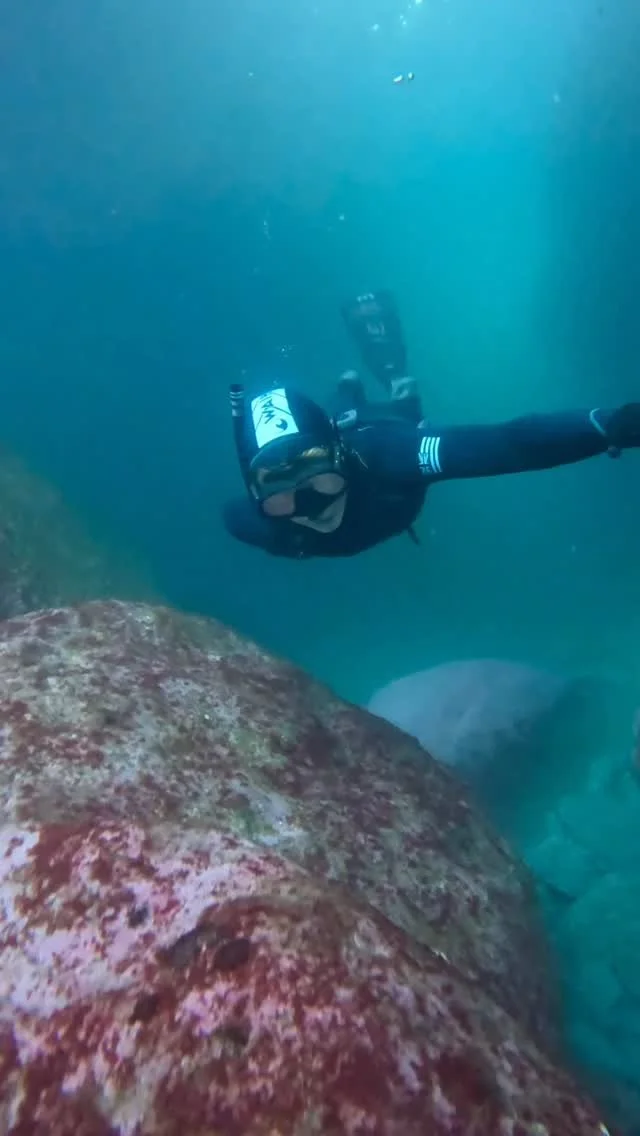
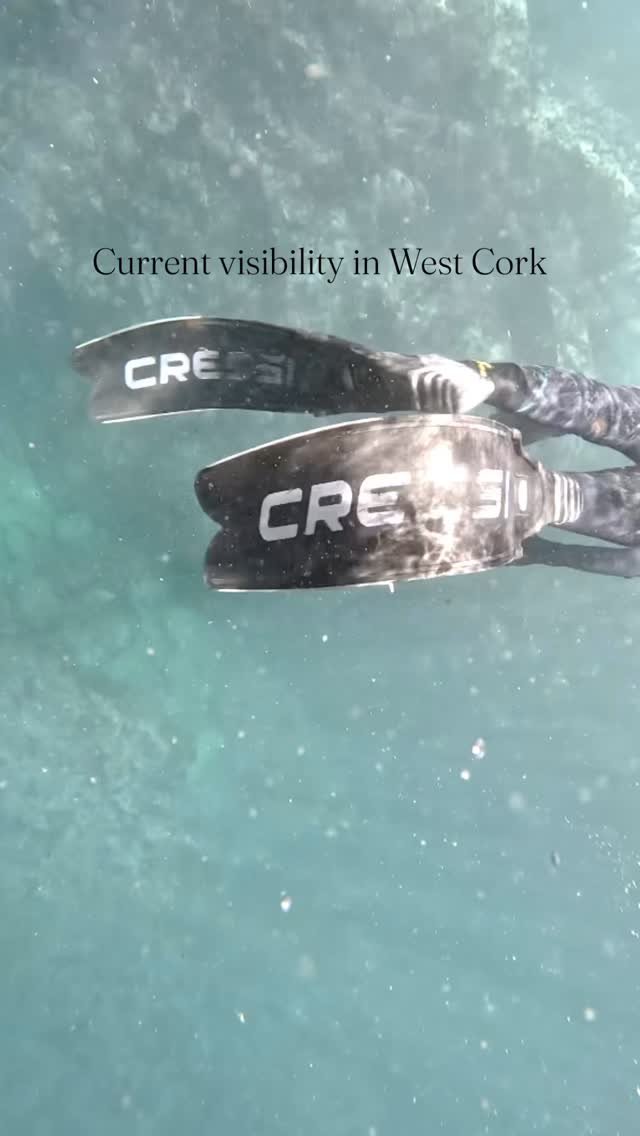
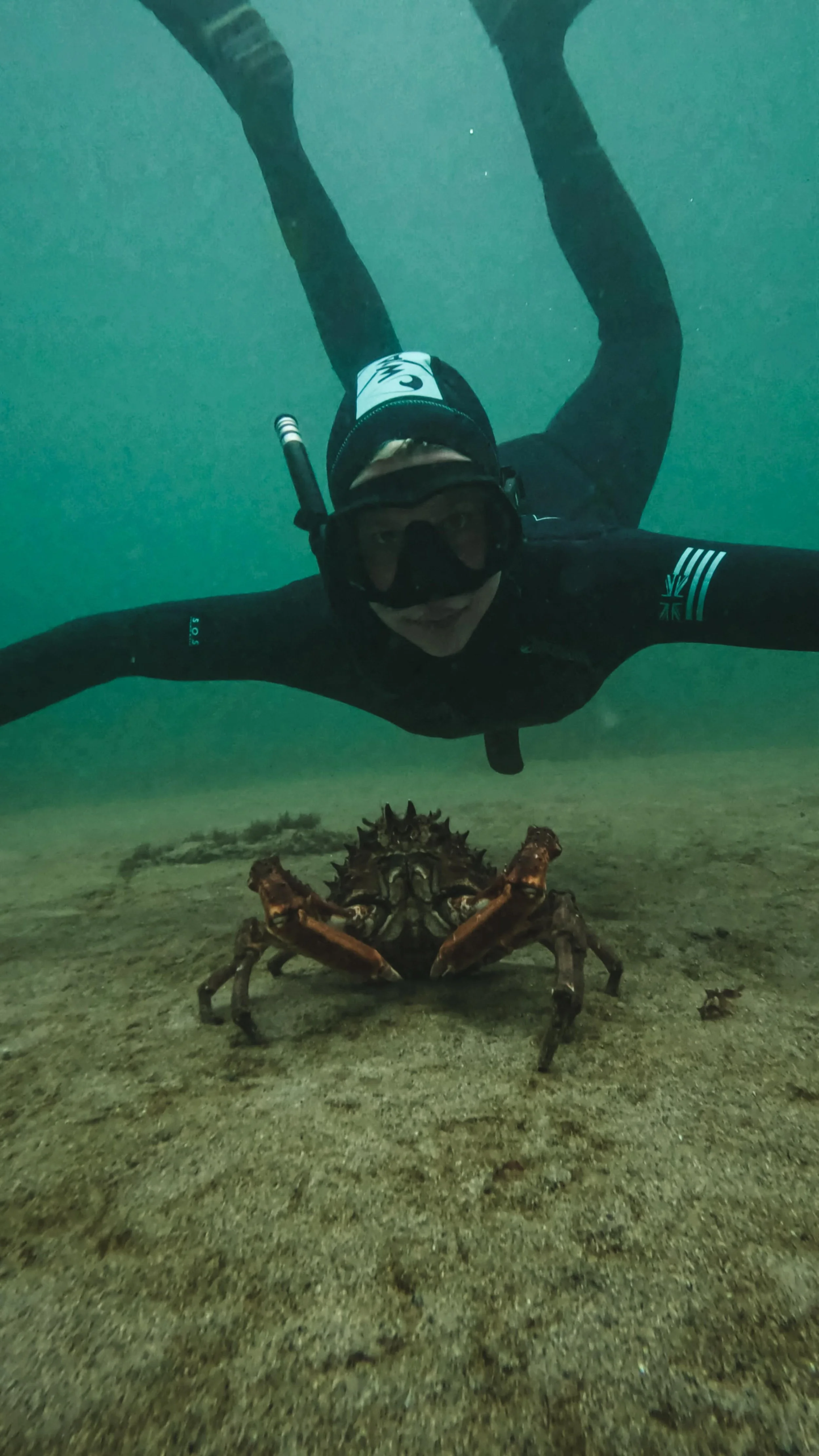
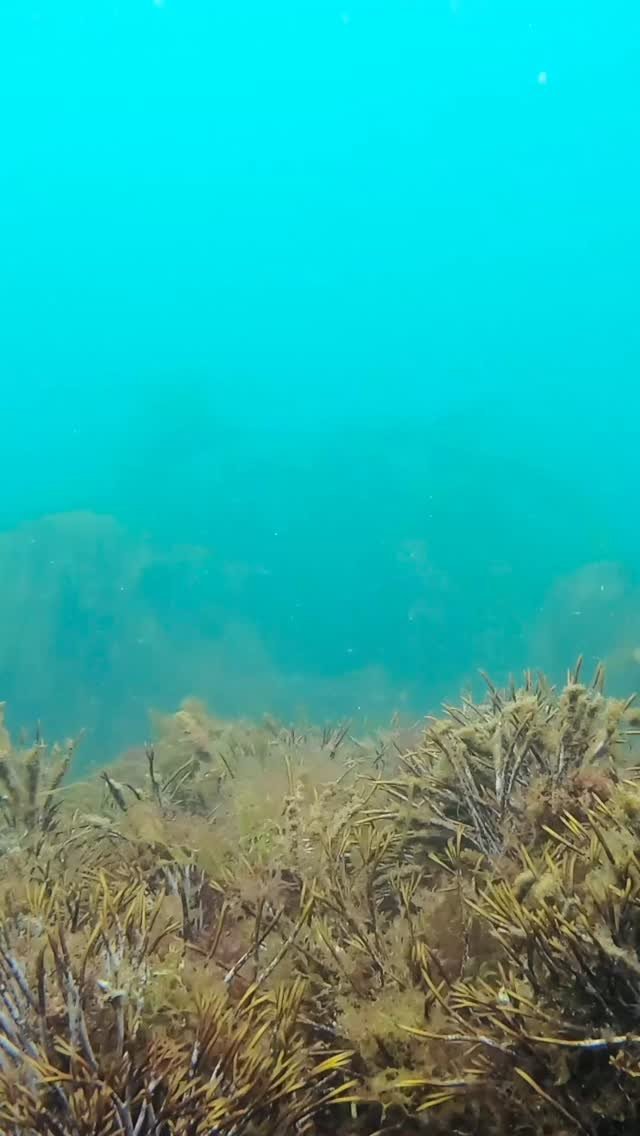
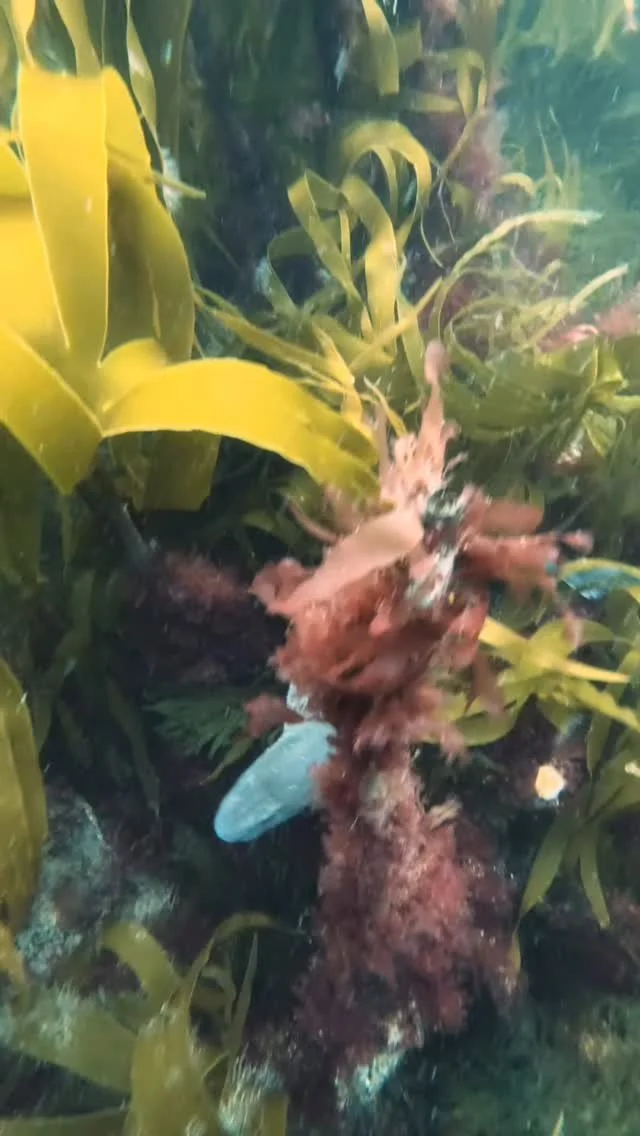
This means visibility can change a lot from day to day. One morning, you might glide over kelp forests as if you’re in a nature documentary, and a day later, the same spot could look like you’re swimming through a pint of Guinness that hasn’t settled yet.
What wrecks the visibility
Some of the main reasons:
Swell and surge. Big waves stir up the seabed, kicking sand and silt around. The bigger the swell, the longer it takes to settle once things calm down.
Wind direction. Onshore wind pushes surface water and everything in it (plankton, etc.) straight into the bays where we snorkel or dive. Offshore wind does the opposite and can help clear things up. That’s why one shift in the wind can turn “it looks awful today” into “it’s stunning.”
Or why you might need to cancel a tour sometimes.
Rain and runoff. Ireland is no stranger to rain. Heavy rainfall sends rivers and streams pouring into the sea, which can cloud coastal visibility for days, especially near estuaries. Due to (I think) poor agricultural practices, a lot of fertiliser and other chemicals also wash off into the sea. At some of our snorkel spots, we experience algal overgrowth because of this.
Tides. Bigger spring tides move more water more aggressively, which can churn up sediment and reduce visibility.
So how do we deal with it?
We mostly rely on short-notice planning and a healthy respect for forecasts we can’t fully trust. We keep a close eye on swell charts, wind direction, and recent rainfall, but even then it’s just an educated guess until the day comes. Around here, plans are made on a “we’ll know by Thursday” basis, not a “see you in three weeks” basis. Even Thursday’s plan might change by Friday morning.
Although it is not ideal, it has its positives.
It allows us to practise acceptance of what is (weather conditions we can’t change) and lets us practise a bit more flexibility in our lives.
This is why people here have a pretty relaxed attitude about scheduling. If you ask when the best month to dive is, you’ll probably get a shrug and hear, “depends on the week.” If you ask about the best week, you’ll get, “depends on the day.” Around here, it’s all about forecasts and staying flexible.
Also, after many years of being in the water year-round, I notice a shift in the pattern, and the season seems to start a bit later than usual.
Once, March would have been fine to get more and better visibility, whereas it is now more towards May.
However, any second spent in the sea is never a wasted one.
What this means if you’re booking from abroad
If you're planning a trip from somewhere with more predictable seas (lucky you), here's the honest version of how it works here:
We'll happily pencil in a date, but we'll usually confirm conditions a few days beforehand, sometimes the morning of. If things look rough, we'll offer the next best window rather than send you into a washing-machine sea with zero visibility, because nobody enjoys paying for a swim through soup.
However, in the end,, we will consider your decision as well. Do you not mind that visibility might be poor, but conditions are safe for snorkelling?
Great, let's make the best of it!
Do you only want or need crystal-clear waters? Ok, cool, but be aware that you might get disappointed.
The best way to plan is to leave some flexibility in your travel schedule. Give yourself a few days’ window instead of just one fixed date. That way, we can find you the clearest water possible, not just whatever happens to be there. It’s just how the Atlantic works.
The good news is that when conditions are right, Irish coastal waters are truly beautiful: clear, cold, full of life, and definitely worth the patience it takes to see them at their best.
If you've got a rough window in mind, get in touch, and we'll help you find the days most likely to give you a proper, clear-water trip rather than a guessing game.
Any questions? Feel free to reach out!
Cornelia